
LADAKH Tour Package
Enchanting Mountains of HIMALAYAN KINGDOM: Tour to Ladakh5 Nights & 6 Days: Tour to Ladakh
Request For Quote

Ladakh Tour Packages — The Himalayan Kingdom Awaits
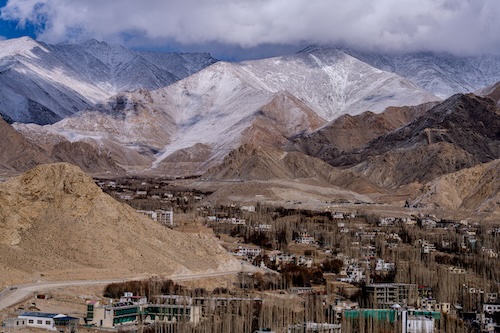
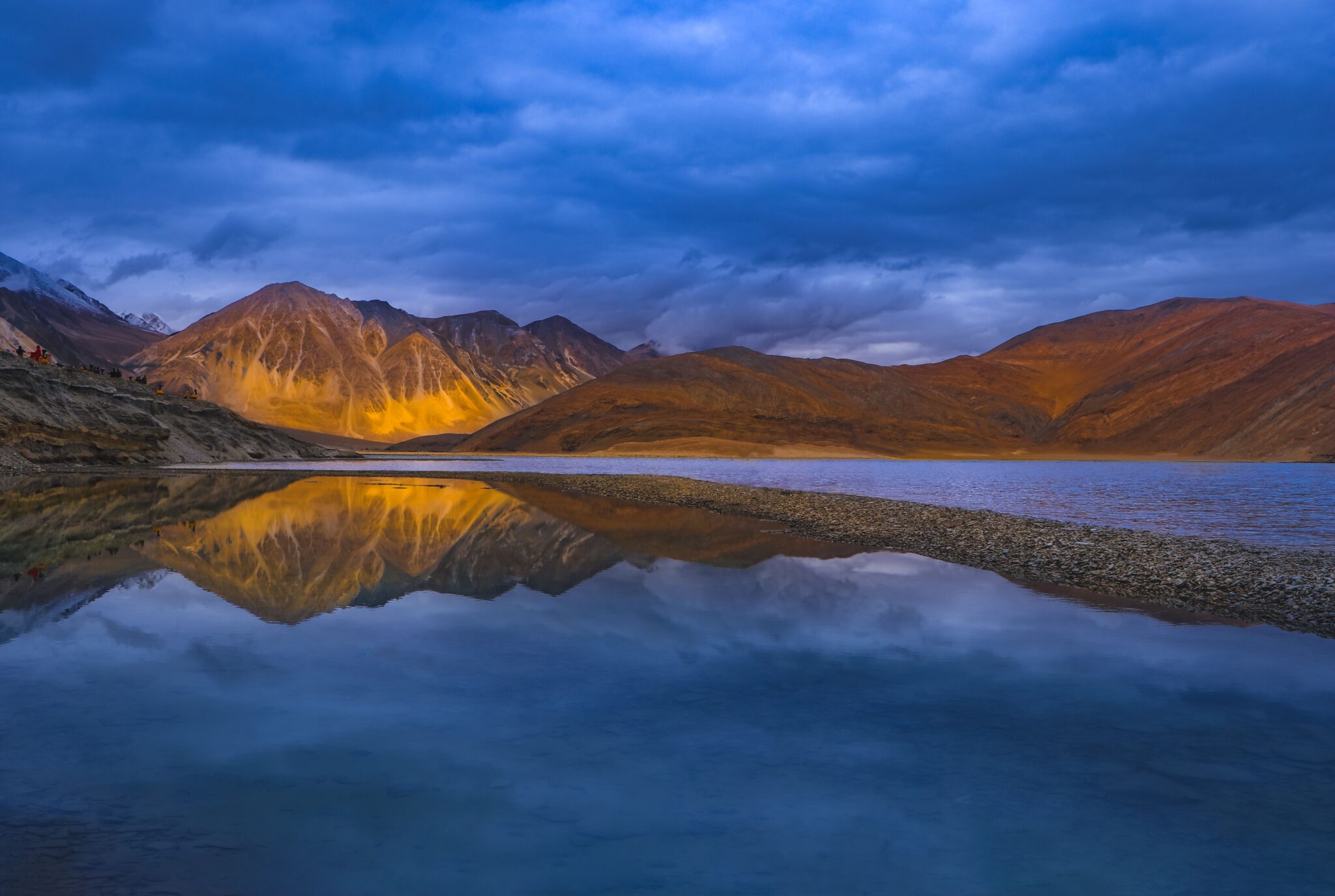
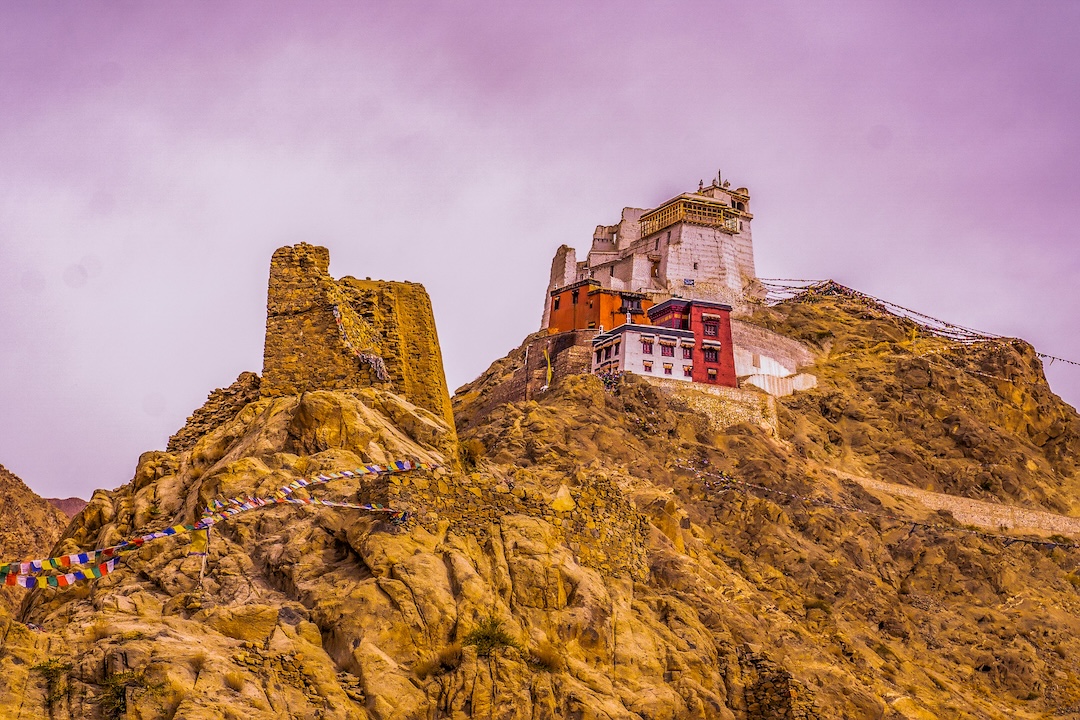
At 11,400 feet above sea level, Ladakh is not just a destination — it is a state of mind. Barren mountains the colour of rust and gold. A sky so blue it looks painted. Monasteries clinging to cliffs that have stood for 800 years. A lake — Pangong Tso — that changes colour from turquoise to cobalt to violet as the afternoon light shifts. And a silence so complete you can hear your own heartbeat.
Ladakh sits at the crossroads of the ancient Silk Road, where Indian, Tibetan, and Central Asian cultures have layered themselves over centuries into something found nowhere else on earth. It is one of the last great wilderness frontiers — remote, raw, and utterly transforming. Travelers who visit Ladakh once almost always return.
At Travel Passion India, we have been designing Ladakh journeys for international travelers for over 30 years. We know the roads, the seasons, the lodges that matter — and the monastery that opens just one morning a week where a monk will pour you butter tea and answer your questions about Buddhism for an hour. None of that is in a brochure. It is built into the itinerary because we have been there ourselves.
7 Nights & 8 Days: Tour to Ladakh
Day 1: Arrival in Leh & Mandatory Rest
Morning: Fly into Kushok Bakula Rimpochee Airport in Leh (11,562 feet). Check into your hotel.
Afternoon: Strictly rest in your room to adapt to the thin mountain air and prevent Acute Mountain Sickness (AMS).
Evening: Take a very light stroll around the Leh Main Bazar if feeling completely fine.
Day 2: Leh Sightseeing & Sham Valley
Morning: Visit the Hall of Fame museum to honor Indian soldiers. Explore the peaceful Gurudwara Pathar Sahib.
Afternoon: Experience the optical illusion at the Magnetic Hill. Stop at the Sangam Point to witness the clear confluence of the Indus and Zanskar rivers.
Evening: Watch the sunset from the iconic Shanti Stupa overlooking Leh town.
Day 3: Leh to Nubra Valley via Khardung La (130 km / 5 hours)
Morning: Drive uphill to cross Khardung La Pass, standing at an impressive 17,582 feet. Keep your stop here under 15 minutes to avoid altitude issues.
Afternoon: Descend into the high-altitude desert of Nubra Valley. Head over to Diskit Monastery to see the iconic 106-foot-tall Maitreya Buddha statue.
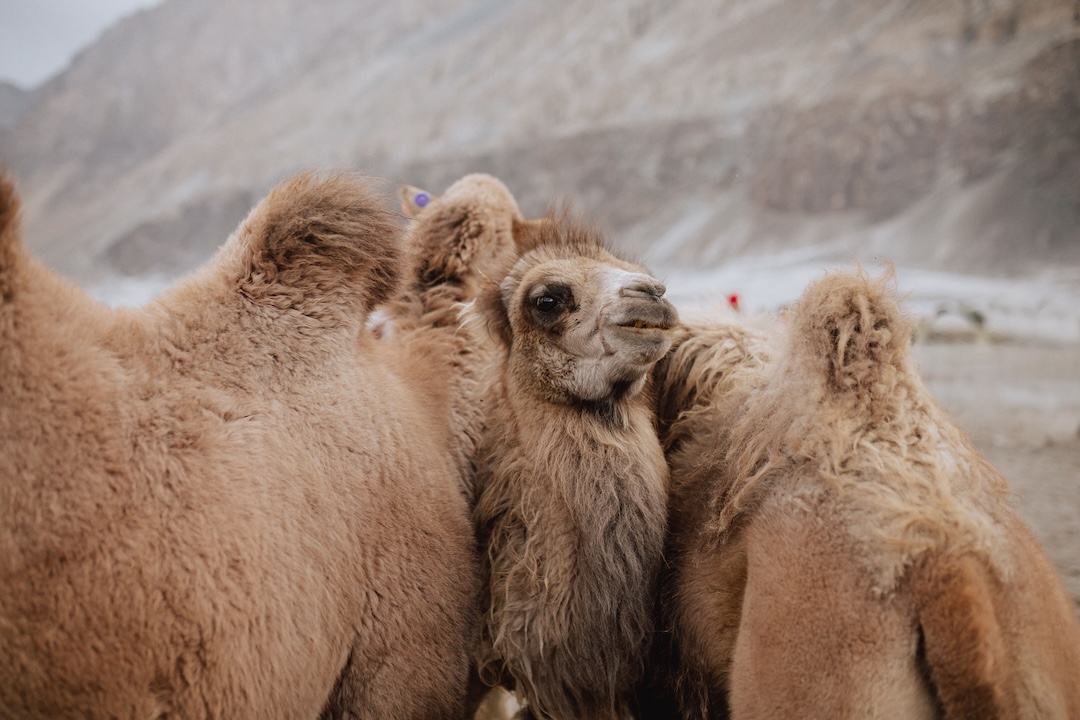
Evening: Ride a double-humped Bactrian camel across the cold sand dunes of Hunder.
Day 4: Turtuk Village Excursion (160 km round trip)
Morning: Drive further towards the Indo-Pak border along the Shyok River to Turtuk Village. Turtuk was under Pakistan’s control until 1971 and boasts a highly unique Balti culture and lush apricot orchards.
Afternoon: Explore the local stone houses, local museums, and walk up to view the border area if allowed.
Evening: Drive back to Hunder/Diskit for your dinner and overnight stay.
Day 5: Nubra Valley to Pangong Tso via Shyok (275 km / 6 hours)
Morning: Depart early from Nubra Valley. Take the direct, stunningly rugged route alongside the Shyok River.
Afternoon: Arrive at the breathtaking Pangong Lake, a massive lake sitting at 13,940 feet shared between India and China.
Evening: Walk along the shores to observe the lake shifting its colors from turquoise to deep blue. Spend a chilly night in a lakeside Swiss tent or cottage.
Day 6: Pangong Tso to Tso Moriri Lake (320 km / 8 hours)
Morning: Wake up early for a spectacular sunrise over Pangong Lake. Begin a long but visually rewarding drive across the Changthang Plateau.
Afternoon: Pass through the remote villages of Chushul and Mahe Bridge.
Evening: Arrive at Tso Moriri Lake, a pristine and less crowded high-altitude wetland sanctuary. Check into a homestay or camp in Korzok village. Enjoy incredible stargazing.
Day 7: Tso Moriri to Leh via Chumathang (220 km / 6 hours)
Morning: Walk along the banks of Tso Moriri to spot migratory birds and wild Tibetan asses (Kiangs).
Afternoon: Drive back towards Leh. Stop by the Chumathang Hot Springs along the Indus River, known for their natural medicinal boiling water.
Evening: Reach Leh. Do your final souvenir shopping for prayer wheels or pashmina shawls at the local markets.
Day 8: Departure from Leh
Morning: Check out from your hotel. Get a transfer to the Leh airport for your flight back home, concluding an unforgettable Himalayan journey.
Package Includes;-
- 2 Nights Stay at LEH – 3 STAR HOTEL
- 1 Night Stay at NUBRA – 3 STAR HOTEL
- 1 Night Stay at PANGONG – 3 STAR HOTEL
- 1 Night Stay at LEH – 3 STAR HOTEL
Ø Accommodation on Double sharing basis in room at leh, nubra, pangong and leh.
Ø Arrival/departure transfer by non Ac car/ Similar as per the tour itinerary.
Ø Breakfast at the hotels.
Ø All Sightseeing tours by non Ac car/ Similar as per the itinerary
Ø inner-line permit in nubra and pangong..
Package Excludes
Ø Air Fare
Ø Meals other then specified
Ø Expense of Personal Nature such as Guides, porterage, tips, phone calls, laundry, liquor etc.
Ø Transportation shall be provided as per the itinerary and will not be at disposal. Therefore No Transport on the days of Leisure.
Ø Refund/Rescheduling of any booking in any Hotel for any reason will be Governed by the Individual Hotel Cancellation Policy
Ø Expenses occurred due to bad weather, flight cancellation, strike or political unrest to be paid by guest.
Ø Camera fee for entering Monuments
Important Details Tour to Ladakh
Ø Full Retention would be applicable for hotel part if flight is cancelled due to any reason.
Ø Expenses occurred due to bad weather, flight. Strike or political unrest to be paid by guest as per actual.
Ø All Hotels & Resort are having only Double Sharing Rooms. No Twin Sharing.
Ø In case of non-availability in same hotel we shall provide similar accommodation in same category.
Ø On leisure day in itinerary no transport would be provided for Sightseeing.
Ø In ladakh Internet connectivity is weak in some places.
Ø Vehicle would be providing as per itinerary point-to-point basis, not on disposal use.
Ø In Ladakh in all hotels & Resorts Check in time 12:00-14:00 & Check out time 09:00
Ø Rates are based on Base Category rooms in all hotels & Resorts.
Ø All Packages based on Per Double / Single sharing room.
Ø Early check-in & Late checkout is subject to availability
Ø If Flight would be cancelled due to any reason ‘all hotels & Resort would be charge 100% retention.
Ø No refund of any services after commencement of Tour included in package being not used
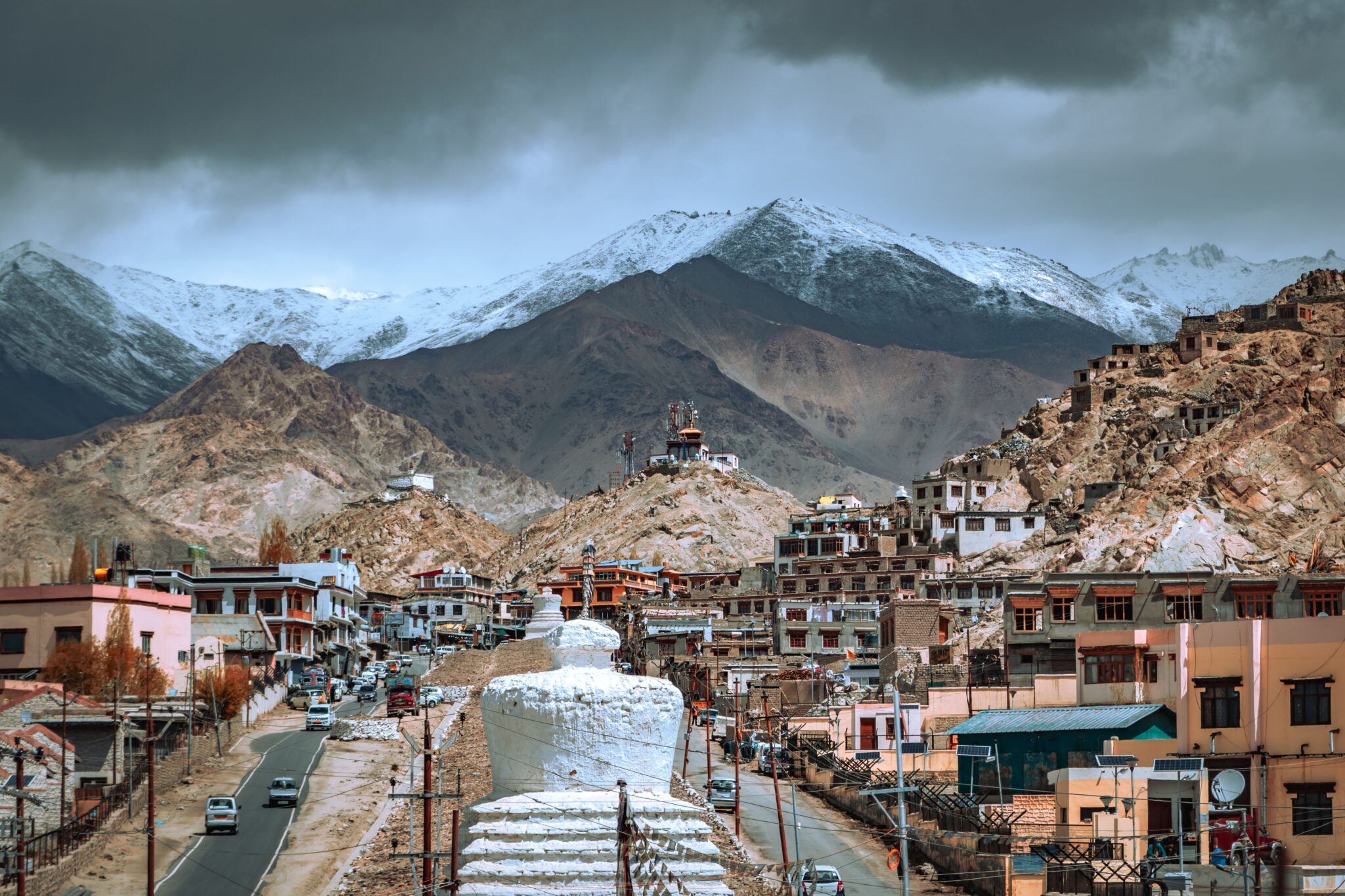
What This Journey Covers
- Pangong Tso — the high-altitude lake that borders China
- Nubra Valley — sand dunes, camels, and monastery at 10,000 ft
- Khardung La — highest motorable road on earth at 18,380 ft
- Thiksey Monastery — the Tibetan Buddhist landmark of Ladakh
- Hall of Fame — Indian Army's tribute to the Kargil conflict
- Diskit Monastery & 32-metre Maitreya Buddha statue
- Magnetic Hill — where your car appears to roll uphill
- Indus and Zanskar river confluence
- Leh Palace — 17th-century royal palace, 9 storeys high
- Gurudwara Pathar Sahib — sacred Sikh shrine at 11,800 ft
- Hunder Village — Bactrian camel rides on desert dunes
- Chang La Pass — third highest motorable pass in the world
Also Available: 5 Nights / 6 Days — Compact Ladakh
For travelers with limited time, we offer a 6-day version that covers Leh, Nubra Valley, and Pangong Lake with one fewer monastery day. The highlights remain the same — Khardung La, the sand dunes, Diskit, and Pangong — but the pace is faster. We recommend the 8-day version for long-haul international travelers who have flown from the US, UK, or Europe. Arriving in Leh from London or New York and then spending only one day acclimatising before high-altitude driving is uncomfortable. The extra two days protect both your health and your enjoyment.
We also design 10-day and 12-day extensions that include the Zanskar Valley, Tso Moriri Lake, and the Dha-Hanu region — ask us about these when you enquire.
Best Time to Visit Ladakh
Ladakh is not an all-season destination. The road connections, weather, and even the experiences available vary dramatically by month. Here is the honest picture:
Permits for International Travelers
⚠️ Protected Area Permit (PAP) — Required for Most of This Itinerary
International travelers (all non-Indian passport holders) require a Protected Area Permit (PAP) to visit Nubra Valley and Pangong Tso. This is a government requirement that has been in place since India opened these areas to foreign tourists in the 1990s.
We arrange the PAP for you. You do not need to do anything yourself — we handle the permit through the District Collector's office in Leh on your behalf. What we need from you in advance:
- Copy of your passport (photo page)
- Copy of your Indian visa (all pages)
- Confirmed itinerary dates
The permit is issued per group, covers the specific areas on your itinerary, and is checked at several checkposts along the route. Travel without a permit is not possible — checkposts are staffed by the Indian Army 24 hours a day.
Cost: approximately ₹500–₹700 per person (government fee). We include this in your tour package at no markup.
Inner Line Permit (ILP): Not required for most nationalities but required for Pakistani, Chinese, Myanmar, and Afghan nationals — please inform us of your nationality at the time of enquiry.
Health & Altitude — What You Need to Know
Altitude sickness (Acute Mountain Sickness / AMS) is the most important health consideration for Ladakh travel. At 11,400 feet, Leh has 40% less oxygen than sea level. Most healthy adults acclimatise successfully within 24–48 hours if they follow sensible guidelines. A small percentage require medical attention or descent.
| Symptom | Normal (Days 1–2) | Seek Medical Help |
|---|---|---|
| Headache | Mild, manageable with paracetamol | Severe, doesn't respond to medication |
| Breathlessness | On exertion, mild at rest | At rest, worsening overnight |
| Nausea | Mild, usually Day 1 only | Vomiting repeatedly |
| Fatigue | Normal Day 1–2 | Not improving after 48 hours |
| Dizziness | Occasional | Loss of coordination |
Our standard recommendations:
- Fly directly to Leh (do not drive from Manali on Day 1 of your India trip)
- Rest completely for the first 24 hours. No exceptions.
- Drink 3–4 litres of water per day throughout the trip
- Avoid alcohol for the first 48 hours
- Consult your doctor about Acetazolamide (Diamox) — a prescription medication that helps acclimatisation. Take it 24 hours before arrival if prescribed.
- Carry a basic first-aid kit. We include oxygen cylinders in all our Ladakh vehicles.
Pre-existing conditions: Travelers with heart conditions, severe anaemia, lung conditions, or who are pregnant should consult their physician before booking a Ladakh itinerary. We will work with any medical guidance to design a safe program.
Package Includes & Excludes
✔ Included
- Airport transfers on arrival and departure
- 7 nights accommodation (3-star / 4-star / luxury — as selected)
- Breakfast and dinner daily throughout
- All surface transportation in private vehicle
- English-speaking expert guide for all sightseeing days
- Protected Area Permit (PAP) — arranged by us
- All monument and monastery entrance fees
- Oxygen cylinder in vehicle throughout
- Inner-line permit fees where applicable
- 24/7 emergency support (Travel Passion India contact)
✘ Excluded
- International or domestic airfare to/from Leh
- Travel insurance (strongly recommended — we can suggest providers)
- Lunches (we recommend eating at local dhabas en route — we will guide you)
- Personal expenses, tips, and gratuities
- Camera fees at specific monuments (where charged)
- Camel ride at Hunder (approx ₹500 per person — optional)
- Any activity not listed in the itinerary
- Costs arising from early departure or medical evacuation
- GST at applicable rates
Accommodation Options
Ladakh's hotel landscape has evolved dramatically over the last decade. There are now genuine luxury options in Leh — properties with heated rooms, proper restaurants, and spa facilities. In Nubra and Pangong, accommodation is primarily in well-appointed permanent camps or guesthouses — part of the Ladakh experience.
| Category | Leh | Nubra Valley | Pangong Lake |
|---|---|---|---|
| Comfort (3-star) | Hotel Ladakh Palace, The Grand Dragon | Nubra Ethnic Camp | Snow Leopard Camp |
| Premium (4-star) | The Zen, Hotel Singge Palace | Karma Nubra | Pangong Delight Camp |
| Luxury | The Ultimate Travelling Camp (Leh Base) | Nubra Ecolodge | SUJÁN The Riverside Camp (seasonal) |
All accommodation on this itinerary is pre-inspected by Travel Passion India staff. We do not list properties we have not stayed in ourselves.
Why Travel Passion India for Your Ladakh Journey
We have been organising tours to India's most demanding destinations since 1988. Ladakh is one of them — a place where poor planning causes genuine problems. Roads close. Weather changes without warning. Altitude affects even fit travelers. Permits are rejected if documents are wrong. What distinguishes a Travel Passion India Ladakh journey from a self-booked trip or a generic package:
- We have been doing this for over 30 years. Every route, every checkpoint, every seasonal restriction — we know it because we have navigated it, not read about it.
- Our drivers are Ladakhi. They know which roads are passable after rain, where the army checkposts are strict, and where to stop for the best photograph that isn't on anyone's list.
- Permits handled completely. We have never had a client turned back at a checkpoint. Our permit preparation is meticulous.
- No group tours. Every itinerary is customised for your travel dates, your interests, your pace, and your budget. You travel in a private vehicle with your own guide.
- We are reachable 24/7. If something goes wrong — a flight cancels, a road closes, someone needs medical attention — you call us directly, not a call centre.
Frequently Asked Questions
About Ladakh — For Those Who Want to Know More
Ladakh was a separate kingdom — the Kingdom of Ladakh — for over a thousand years, ruled by the Namgyal dynasty until its annexation by the Dogra forces of Gulab Singh in 1834. It became part of the princely state of Jammu & Kashmir and, since August 2019, is a Union Territory of India governed directly from Delhi. The administrative change brought both new infrastructure investment and new political complexity, particularly regarding the Line of Actual Control with China — visible on your tour at Pangong Lake, where Chinese military posts are visible across the water.
The people of Ladakh are primarily of Tibetan Buddhist faith, though there is a significant Shia Muslim population in the Kargil district. The Ladakhi language belongs to the Tibetan language family. The culture — monastic life, traditional Losar festivals, the architecture of flat-roofed mud-brick houses — is closer to Tibet than to the rest of India. Ladakh is, in every meaningful sense, its own world. A week here changes your understanding of what India is.

Get a free quote
Frequently Asked Questions
Q. Traveling to Incredible INDIA and THE SUB-CONTINENT
A. India is a place where destination knowledge and on-ground connectivity is important. With our help, traveling to Incredible India and the Subcontinent is an enjoyable and hassle-free experience.
Travel Passion India (Inc.) provides expert advice, tailor-made itineraries and on-the-ground support with knowledgeable guides, comfortable transportations, and best-in-class hotels.
We take care of the granular details so you can enjoy the grandeur of this incredible, timeless, culturally diverse region.
Q. How to Book my tour?
A. To start off, booking your tour to Incredible India - Look out for Get a Free Quote form which is almost on every page on our website.
Or you can click on the Top Navigation link on the Right corner of the page - Contact for India Tours. (Do leave your phone numbers - as a secondary option - so we can reach out with text messages.)
Or you may consider dropping us an email at mail[at]travelpassioninc{dot}com - (do add us in your contact list - as sometimes email lands up in SPAM box.)
Or you can call us at +91-9811-212-458
Or drop us a message on social media - like Facebook, Twitter or Linkedin.
Q. Does Travel Passion India provides Travel Insurance?
A. No. We Don't. We highly recommend that all travelers purchase adequate trip cancellation, health and baggage insurance prior to travel. It is imperative to carry insurance coverage details with you during the tour.
Q. What are the Health Checks need to make before travelling to India?
We strongly recommend our travellers to carry mosquito repellent lotions / cream during holiday tour.
There are no compulsory vaccinations for traveling to India, although it is strongly recommended that you protect yourself during traveling against the following:
- Tetanus,
- Typhoid,
- Hepatitis A,
- Cholera
- Malaria.
We advise you to consult your doctor allowing at least 4 weeks before the date of travel for all medical advice.
Some areas including Bhutan and Nepal may be at high altitudes. So, people with respiratory ailments need to check with their doctor.
An inoculation against Yellow fever is required if you have visited any infected areas within 5 days prior to your arrival in India.
Q. How to Apply for eVisa for India?
E-TOURIST VISA (eTV)
e-Tourist Visa (eTV) is allowed for multiple visits in a calendar year and can be applied for 120 days prior to departure.
e-Tourist Visa (eTV) once issued it is valid for multiple entry, for 365 days from the date of issue and is non-extendable and non-convertible.
Continuous stay during each visit should not exceed 180 days
To apply for eTV please log on here.
https://indianvisaonline.gov.in/evisa/tvoa.html
Q. What's the Weather in India like?
India is a vast country with diverse seasonal and geographical variations in climate.
Generally, the best time to visit India for your holidays is during the months of October to April.
The Monsoon season starts in mid-May till August - you may like to know about off-season deals. Wildlife sanctuaries & National Parks of India are closed during the Monsoon period.
The summer season is from May to July, in North India. Whereas in July the lower plains of South India start to have some monsoon showers.